Christopher Columbus's ship; the Pinta
Christopher Columbus was the man who discovered America or so he thought. I will now tell you about one of his three ships to cross the atlantic…
Read the story ↗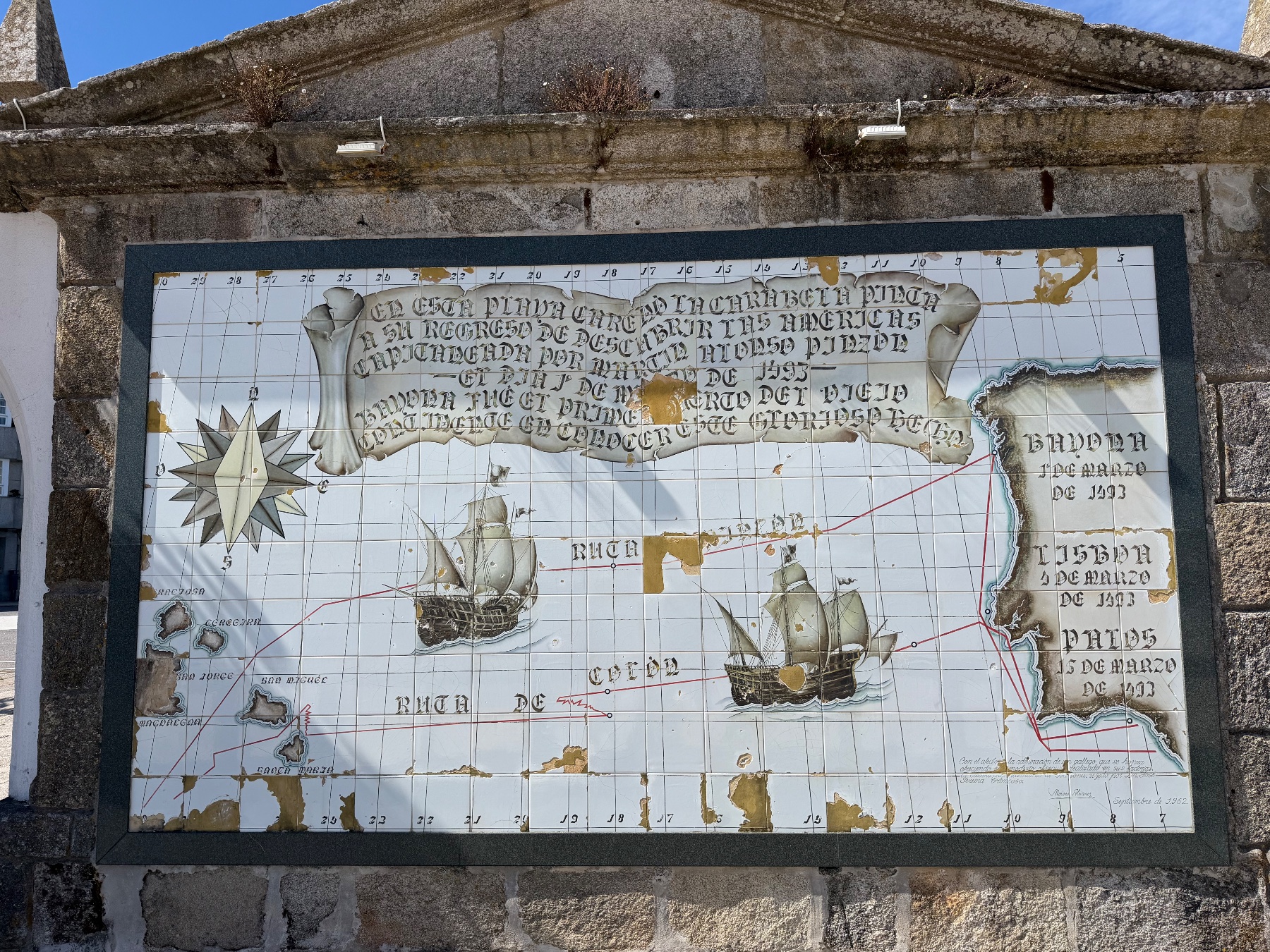
Early Life Christopher Columbus was born in Genoa, Italy, in 1451, into a working-class family. His father, Domenico, was a wool weaver, and his mother, Susanna Fontanarossa, helped raise Columbus and his four siblings. Although historians debate how much formal education he received, Columbus became a skilled reader and writer and later learned Latin, Castilian, and Portuguese alongside other languages. Growing up in the busy port of Genoa, he was fascinated by sailors’ stories and the distant lands that they described. At just 14, Columbus began sailing. What started as short trips soon became merchant voyages across the Mediterranean, giving him valuable experience at sea. -Moving to Portugal In 1476, Columbus joined a Genoese fleet heading towards England. Near Cape Saint Vincent, Portugal, the fleet was attacked, and Columbus’s ship was wrecked. He survived by swimming ashore and settled in Lisbon. There, he worked with his brother Bartholomew as a mapmaker and trader. In 1479, he married Felipa Moniz. During his years in Portugal, Columbus developed an ambitious idea: he would sail across the Atlantic to Asia! In 1485, he left Portugal and travelled to Spain to seek royal support. -The Hunt for Backing Columbus presented his plan, known as the “Enterprise of the Indies,” to King Ferdinand II and Queen Isabella I of Spain. A royal committee examined his proposal but rejected it. Scholars within the committee believed Columbus had badly underestimated the size of the Earth and overestimated the size of Asia, making his journey across the Atlantic seem impossible. Columbus struggled financially and was often mocked by members of the Spanish court. Still, he refused to give up. He sent his brother Bartholomew to approach the rulers of France and England, hoping the threat of another kingdom accepting his plan would encourage Spain to reconsider. Neither country agreed, but Columbus's idea remained on the Spanish court's radar due to this new pressure. Eventually, while preparing to leave Spain, Columbus stopped at La Rábida Monastery. A friar there was impressed by his plans and contacted Queen Isabella, giving Columbus another chance to present his proposal. Finally, a Yes This time, Columbus returned with more confidence—and some very ambitious demands. If successful, he wanted to become Admiral of the Ocean Sea, receive the hereditary titles of Viceroy and Governor of any lands he discovered, and receive 10% of the wealth produced there. The Spanish monarchs initially rejected these demands. Columbus was ready to leave Spain for good when the royal financial adviser persuaded Queen Isabella to reconsider. He argued that the expedition involved little risk but could bring Spain enormous wealth, glory, and opportunities to spread Christianity. Isabella agreed to support Columbus's expedition. After years of rejection, poverty, and persistence, Columbus finally had the backing he needed to sail west and change history forever. What about now though ? Back in his time Columbus was seen as a hero by many and had statues and monuments built in his honour but now is seen as a controversial character for many reasons. His part in the slave trade is a well known one so I’ll start there. In his first days in the Americas he ordered the capture and enslavement of the indigenous people to be used as servants sending thousands of them to Spain with hundreds of them dying along the way. He was as per his requests to the Spanish monarchs, governor of the land and any people left over the age of 14 were forced to mine for gold under threat of mutilation, such as cutting off ears or even hands, or death. As a byproduct of his arrival diseases such as smallpox and measles to a population of people who had no immunity to them causing a huge percentage of the people to die from disease. But I’ve missed the most important reason. He didn’t actually discover the Americas. That’s right he didn’t, there were already people living there. Millions of people had called this their home for centuries. But this random Italian man showed up and decided it was his. Even by 15th century standards Columbus’s reign was brutal and he was eventually arrested and stripped of his governorship. But what do you think should his discovery still be celebrated or should he be left in history as a mistake of the past…
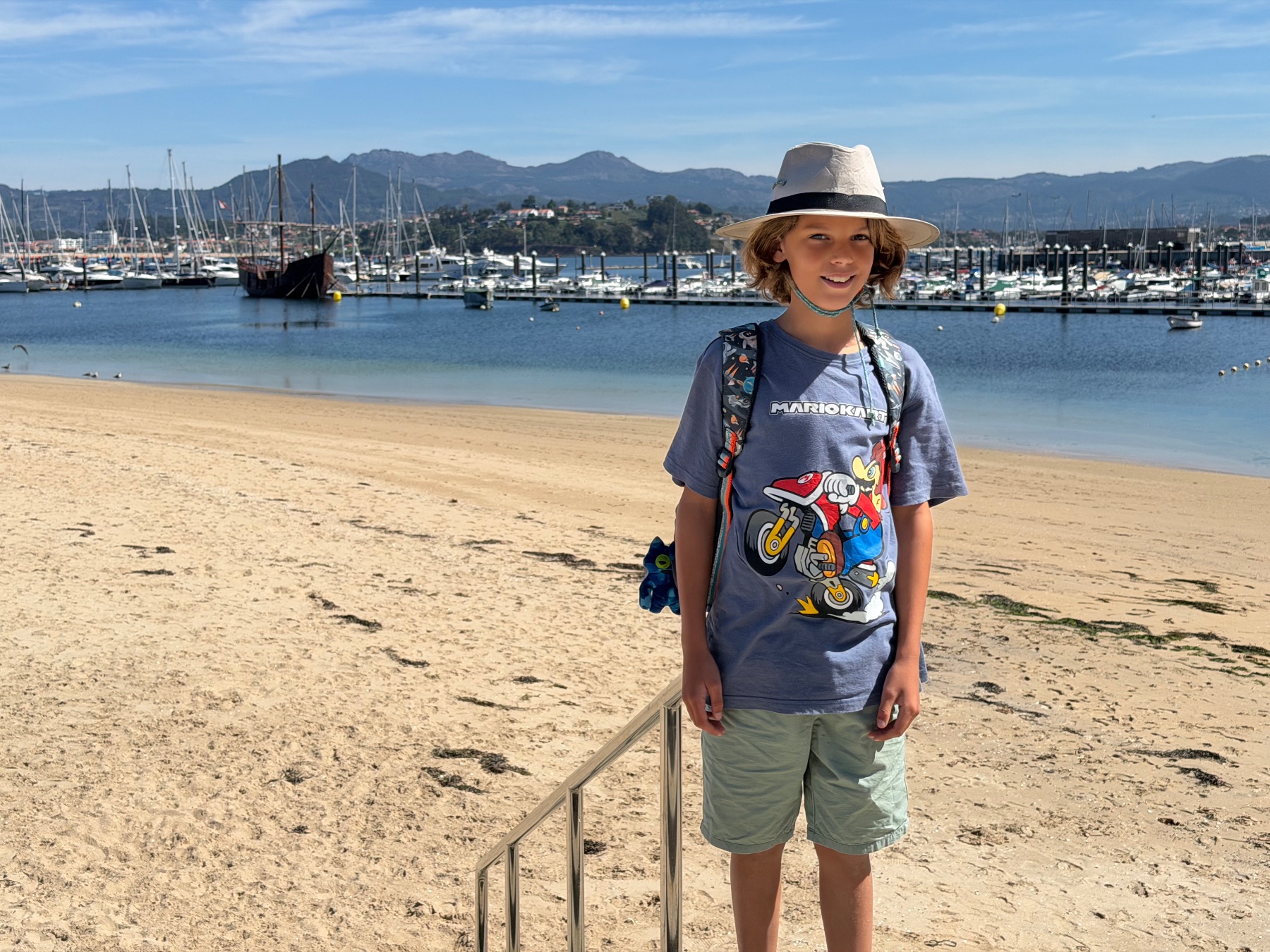
Christopher Columbus was the man who discovered America or so he thought. I will now tell you about one of his three ships to cross the atlantic…
Read the story ↗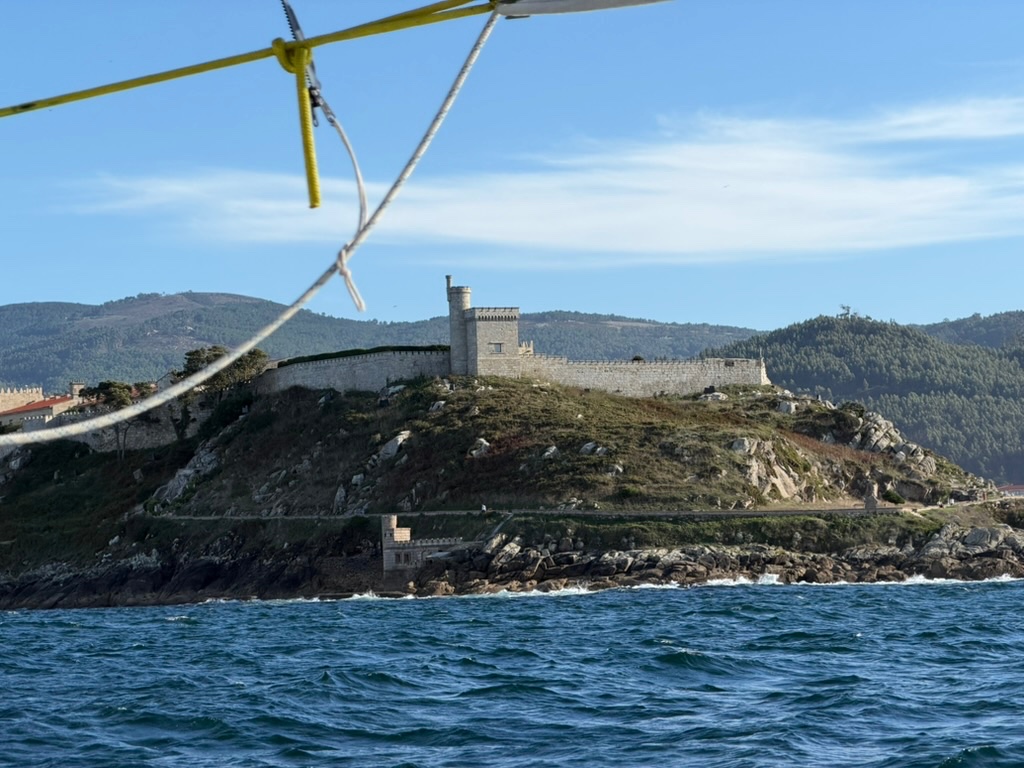
We set sail from Camarinaš to finally get out of the Bay of Biscay. it was starting to as if the weather may start to lock us in the biscay area…
Read the story ↗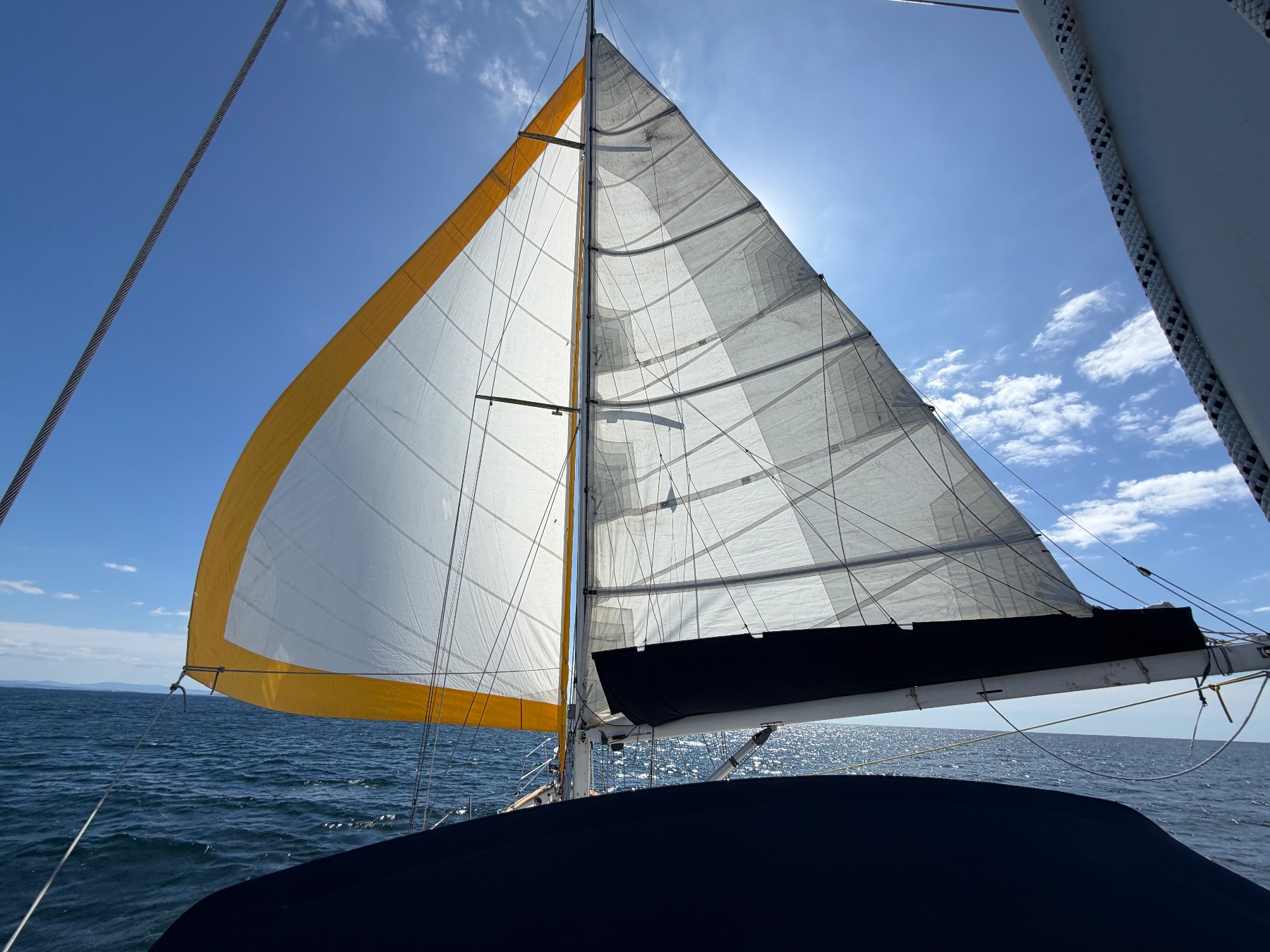
It always seems to be the last hour of any passage where things happen. Not always bad things but just things. We slipped lines at Dawn and agai…
Read the story ↗
The decision was made to weigh anchor at Dawn. It was a beautiful morning with a good smattering of mist to land and clear seaward. The wind was …
Read the story ↗
I finished a commercial shoot up in the Midlands as the last time I planned on being on set. From now on my excellent team will have the helm at …
Read the story ↗
Tuesday We woke up had breakfast and released the dingy of the davits into the water and dinged to west cows but unlike Portsmouth we didn’t ha…
Read the story ↗
Comments.
Loading comments…